

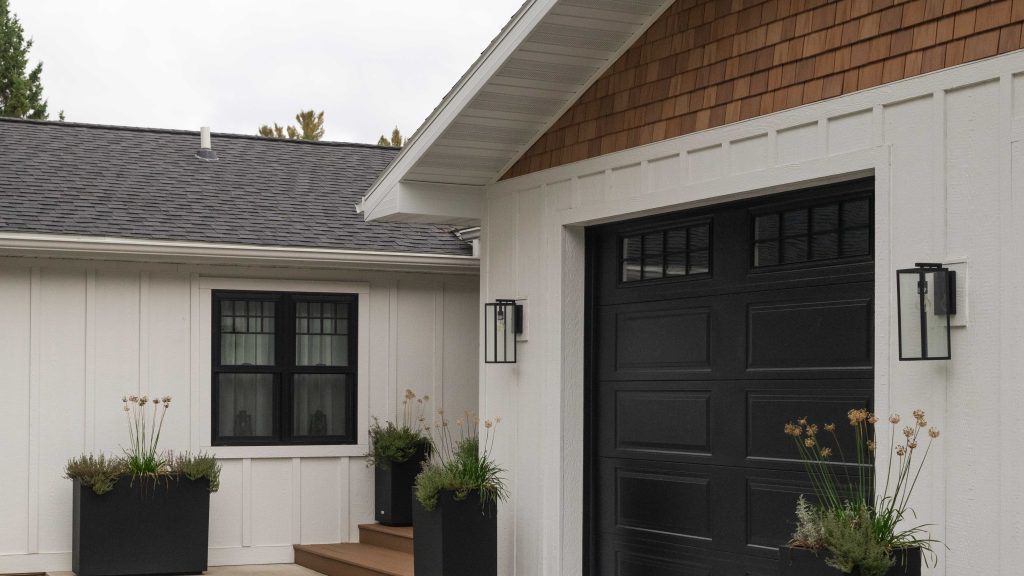
You Might Not Need A New Home, Maybe It’s A Different Home
Almost every homeowner hits a moment when they think, “I’m ready to start over.” That feeling isn’t a bad sign. It usually means your home isn’t working the way you live, and you want something warmer, more beautiful, and easier to move through each day. It’s okay to feel that way. But before you start house hunting or considering building new, consider this: you may not need a new home. You may need a different one, and it might be the house you already own.
We hear this often when homeowners talk about their homes. They are frustrated by spaces that no longer function the way they need to, lack the character they want, or simply don’t have enough room for the way they live. Beneath that frustration is usually something much simpler: a desire for home to feel right again.
Sometimes the answer isn’t a new home, but reimagining the one you already have. Maybe you love your neighborhood, the neighbors who wave from their porches, the yard that took years to grow into, or the fact that family and friends are just minutes away. Those things are hard to find and impossible to rebuild somewhere else. What you may not love is how your house works. That’s why we love the design-build approach for home remodels. With design and construction working together from the beginning, we can thoughtfully work through how your home should function, feel, and support the way you live before anything is torn down. This gives you time to make intentional decisions and solve problems first, so you end up with a home that works better for you, in the place you already love, without rushing once construction is underway.
Real homes. Real frustrations. Real design solutions
Functional Farmhouse Home Remodel
For these homeowners, this remodel is about making their forever home healthier, more comfortable, and better suited to the way their family lives. With no intention of reselling, their priority is long-term livability and performance. Over time, they’ve identified several aspects of the home that fall short, from the overall layout and flow to everyday functionality and acoustics.
What’s Not Working
- Arrival & Entry: The driveway approach and rear entry create a confusing arrival experience. Guests often aren’t sure where to go.
- Everyday Living: The current floor plan creates inconveniences in daily family life and needs to better accommodate the family’s routines.
- Kitchen Functionality: The existing galley kitchen feels restrictive and doesn’t support the way the family wants to use the space.
- Layout & Flow: Dislikes hallways and closed-off floor plans, preferring a more open, connected layout.
- Outdoor Living: Has interest in a wraparound porch to enhance the home’s connection to the outdoors.
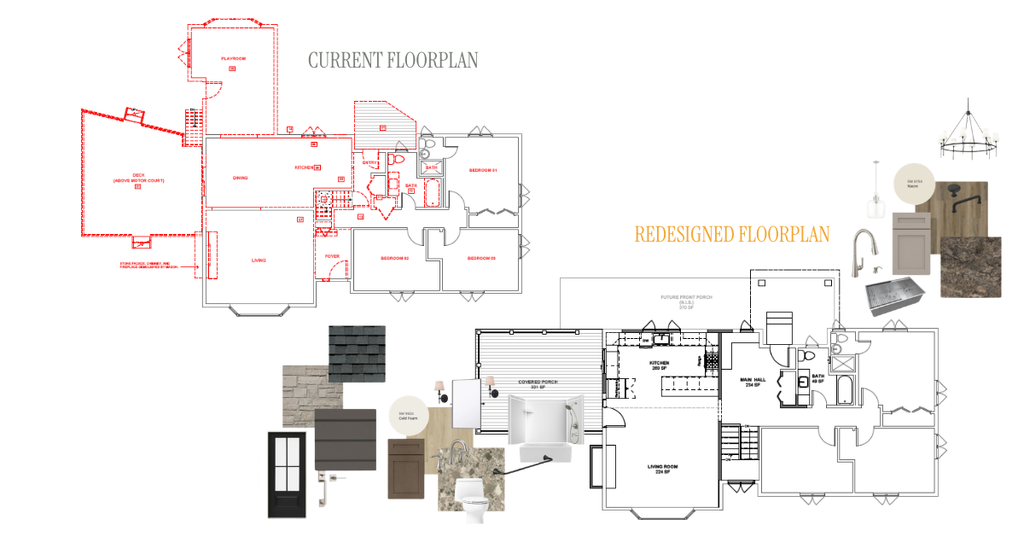
How We Redesigned The Layout
You might be tired of read this, but… you don’t always need a new home. Sometimes you need a different version of the one you have. When a Carey designer starts a project, we begin by listening to the pain points and frustrations that make a house feel like it’s working against the people in it. Then they build a design around the investment, so every dollar supports the family’s goals for the home.
A starting point for this project was circulation. The kitchen sat directly in the main path of travel, so every trip between rooms ran through the place where meals were being prepared. We gave the kitchen its own defined space, set just off that route, so it can be a working room for cooking and gathering without becoming a thoroughfare.
Having the kitchen relocated, we turned to the hallway. By opening the main entrance/hall, we created one clear spine that links the living areas, the bedrooms, and the entrance to the basement. Movement through the home is now intuitive, sightlines run farther, and daylight reaches spaces that used to feel dark and closed off.
The same thinking carried to the exterior. A covered porch and a clear, well-defined front entry with a deck now tell you where to arrive and give you a sheltered place to pause, which matters through a long winter in the upper peninsula . A refreshed exterior brings the home’s outward character in line with the improvements inside.
In the interior of the home, we kept the palette warm and restrained. Warm taupe sets a calm, livable base, and black and brushed nickel finishes add contrast and definition. Together they feel current without chasing a trend, so the room will wear well for years.
Design solutions don’t have to be revolutionary to revolutionize how a family lives.
Mid-Century Muddled Exterior Remodel
There are cases where the interior of a home works beautifully. The layout flows, the rooms suit the way you live, and nothing major needs to be reconfigured. But the exterior tells a different story. The curb appeal feels dated, and the home you walk up to doesn’t reflect the one you’ve created inside.
An exterior remodel is often the most overlooked project, yet it’s the first thing you see every time you arrive. Thoughtful updates to siding, rooflines, entry, porch, windows, and finishes can reset a home’s proportions and bring its character into focus. The goal is an approach that feels intentional and welcoming, and that looks like it belongs to the people who live there.
The Goal For The Exterior
This homeowner’s direction was clear. They wanted something timeless, with a craftsman lean and a coastal influence. Mid-century was an early idea, but it fought the home’s low, horizontal roofline, so we set it aside and chose a style that works with the architecture instead. Because the windows and roofline were staying, the design had to do its work through materials, color, and detail. One design avenue our designers landed on was a coastal prairie craftsman approach: grounded, horizontal, and quietly handcrafted.
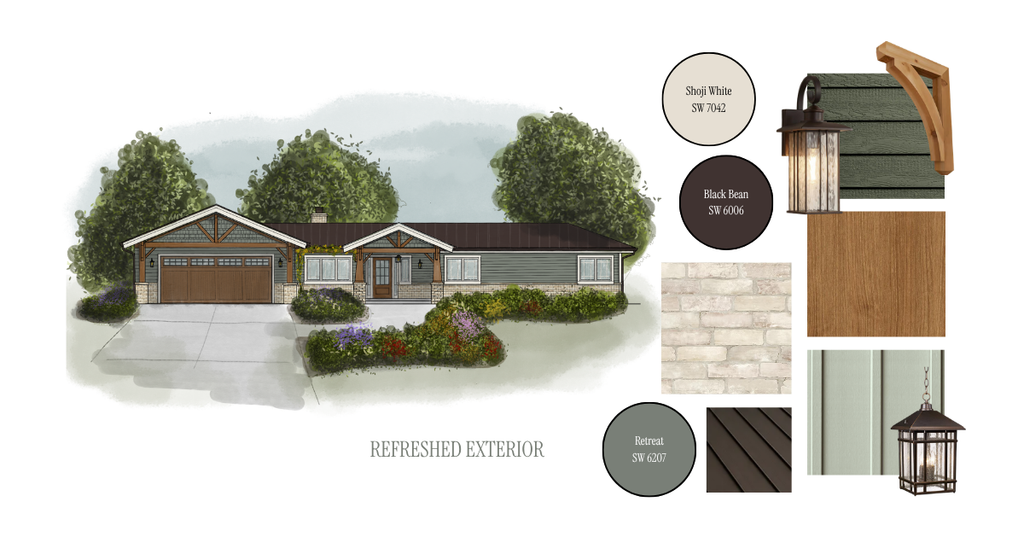
The two covered entries at the garage and front door were already a great feature, so we built on them. Wood brackets and sturdy columns on limewashes brick bases now give each one a handcrafted, welcoming look. The new dark metal roof gives the home a clean, polished edge. The colors take their cues from the surrounding landscape. A soft gray-green covers the siding, a warm white brightens the trim, and a deep brown-black on the roof and accents adds contrast. Warm wood tones on the garage door and front entry draw your eye toward the door, and bronze lanterns finish the look.
The result feels classic rather than trendy, and it’s a lasting upgrade that makes the most of what was already in place.
Rethink Home With A Design-Build Team
Before you start scrolling listings or sketching a new build, take a long look at the home you already have. The neighborhood you love, the yard you’ve watched grow, and the people minutes away are worth keeping. What’s missing may simply be a home that works the way you live. You don’t need a new home. You might need a different one, and it may be the one you’re already in.
Winter in the Upper Peninsula is long, but it can also be the best time to start. Design and planning take place while the snow falls, and construction can begin early in the new year. By the time spring arrives, you could be settling into a home that finally feels right instead of just starting to plan one. If you’ve been thinking, “I’m ready to start over,” let’s talk about what a different version of your home could look like.
Written by Paige Carey | Published November 6, 2026