

If you have never worked with a designer or architect before, the phrase initial design consultation can feel a bit mysterious. Do you need to show up with a dozen Pinterest boards and complete floor plans? Will you be making decisions on the spot?
The short answer is: no! The initial design consultation (IDC) is a working meeting, but it is also a conversation. The IDC is a jumping off point that sets the tone for the entire project, where we establish goals, understand constraints, and begin translating ideas into a clear path forward. Whether you are planning a small renovation or a new build, this meeting is the foundation that everything else is built on.
Here’s what you can expect.
Introductions and Design Project Context
We begin by getting aligned on the basics, including introductions, roles, and how communication will flow throughout the life of your project. In a design-build setting, this is especially important since design and construction are integrated from day one.
We will also talk through why you are considering this project now. Are you outgrowing your space? Planning for future needs? Hoping to improve functionality, energy efficiency, or overall comfort? Understanding your motivation helps us design with intention rather than simply rearranging square footage.
This portion of the meeting is conversational, yet strategic. The more context we have early on, the better we can guide decisions later.
Understanding How You Live (and Want to Live!)
A Significant part of the IDC is focused on lifestyle and daily patterns. We are not just designing rooms; we are designing how those rooms best support your life.
You can expect questions like:
- How do you use your home on a typical weekday
- Where does the space feel tight, inefficient, or frustrating?
- Do you entertain often, work from home, or host extended family and friends?
- What feels essential? What feels nice to have?
These conversations often reveal priorities clients have not articulated before. For example, a kitchen renovation may actually be about creating better sightlines to the backyard, or a primary suite addition may be driven by a desire for seclusion rather than size.
Reviewing the Existing Conditions
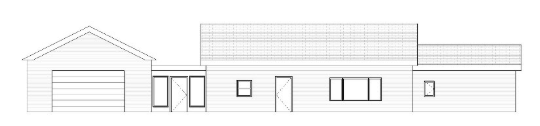
For renovations and additions, the review of existing conditions has typically already happened by the time we reach the initial design consultation. As part of our as-built documentation process, we have measured the home, taken photographs, and closely evaluated the space during our site visit.
Prior to the consultation, we review these measurements and photos internally. If we identify any conditions that could influence design decisions, such as structural limitations, low ceiling heights, irregular framing, or mechanical constraints, we will walk through those findings with you during the consultation, often using photos and digital drawings to guide the conversation.
This allows the meeting to focus less on observation and more on interpretation. Instead of simply noting what exists, we can discuss how existing conditions impact layout options, feasibility, and budget, taking into account where any potential challenges or opportunities may arise.
Any known issues discovered during the site visit, such as water damage, uneven floors, or areas that have been previously modified are addressed early so there are no surprises later in the design or construction process.

Discussing Budget, Schedule, and Constraints
While it can be uncomfortable for some, early conversations about budget and timeline are essential. The initial design consultation is not about locking in numbers, but about establishing realistic parameters.
We may talk through:
- Your expected investment range
- Any known deadlines or time sensitivities
- Phasing considerations, if applicable
- Regulatory and/or site constraints
Having these discussions early allows the design to respond appropriately. A well-designed project is one where scope, budget, and expectations are aligned from the start.
Style, Aesthetic, and Design Direction
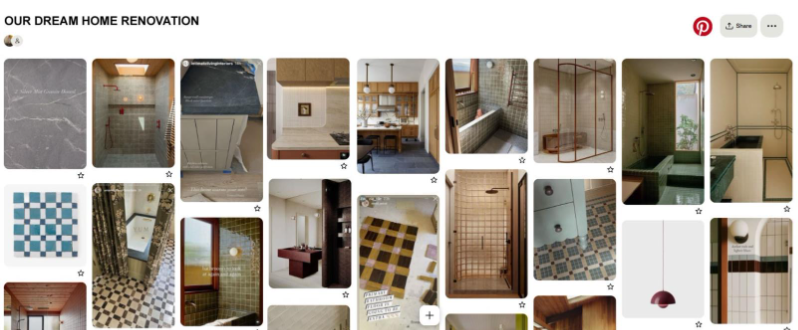
Design style is discussed, but usually in broader terms than specific finishes. We are listening for patterns rather than prescriptions, but if there are some non-negotiable products in your vision, this is an acceptable time to bring them up.
You may be asked about:
- Precedent projects or other homes and spaces you admire
- Materials you are drawn to (or strongly dislike)
- How you want the space to feel rather than how it should look
Images, inspiration folders, or reference projects are always helpful but never required. Many clients arrive with clear preferences, while others need guidance articulating their desires. Both are perfectly fine.
Explaining the Design Process and Next Steps
The consultation typically concludes with an explanation of what happens next. This includes outlining the design phases, anticipated deliverables, and decision deadlines.
We will review how concepts are developed, refined, and eventually translated into construction documents. You’ll leave the meeting with a clear understanding of the process, the timeline, and what will be required from you along the way. This transparency is key to successful collaboration.
A Collaborative Beginning
The initial design consultation is not about having all the answers; rather, it’s about asking the right questions and setting a shared direction. When done well, it creates clarity, trust, and momentum between the client and the design team, which sets up the framework for a smooth transition into construction.
By the end of the meeting, you should feel heard, informed, and confident about the path moving forward. From there, design becomes a collaborative process, rooted in thoughtful planning and guided by your goals.
Written by Elaine Nienhouse | Published February 26, 2026