

Design inspiration doesn’t come from a single place.
It’s shaped by our lived experiences, like the places we visit, the environments we move through, the routines we build, and the moments that stay with us long after we return home from our adventures.
As designers, we’re constantly observing how spaces feel, function, and adapt. Sometimes that inspiration comes from architecture or materials, but, just as often, it comes from less obvious avenues: a quiet morning on the water, a well-worn path through the woods, or the way a space holds you when you’re far from home.
For Tyler, one of our designers, many of those moments of inspiration happen on Lake Michigan, deep in the backcountry, and everywhere in between.
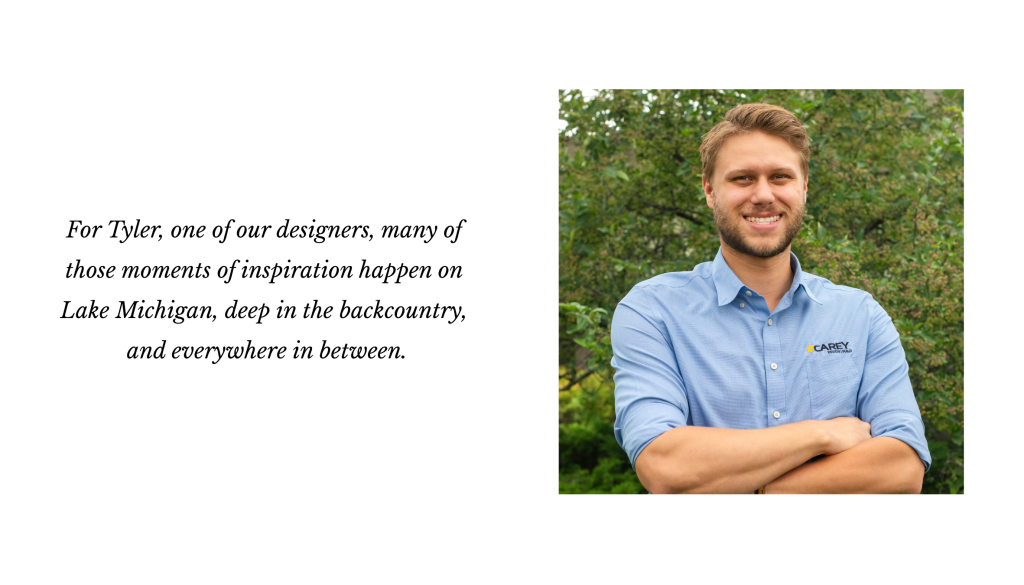
Here’s how those experiences shape the way he thinks about design:
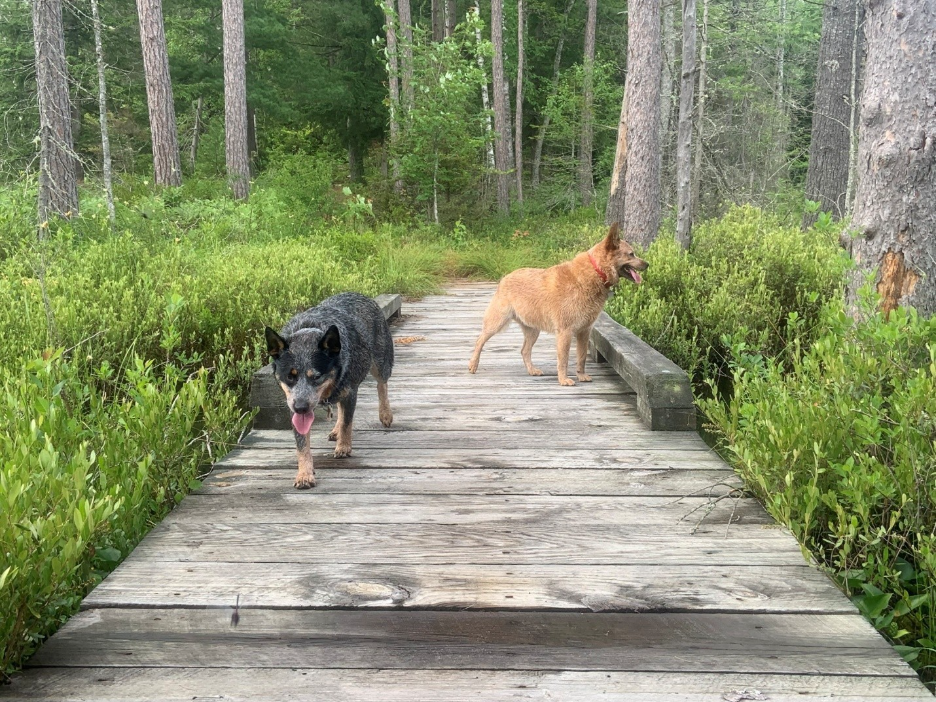
When I’m not designing, sometimes I like to explore this corner of the world we call home. My family has been sailing for decades, so we take long sailing trips around Lake Michigan on our boat Manitu whenever we all get a chance. When we’re not able to do that, I go canoe camping with my girlfriend. And when nobody wants to put up with my crazy adventures, I just go for a long hike with my two dogs.
Sailing takes us to places we don’t normally see if we travel by car or plane. Isolated islands and picturesque ports are the bread and butter of boating destinations. There are no sawmills on these islands, and I’m told shipping lumber by ferry is quite expensive! Homes and businesses in places like that tend to be smaller, or they’re housed in old buildings that they keep in good condition. I really do admire the creativity borne of constraints in places like that. Things like remodeling an old fish house into a restaurant or keeping the 120-year-old pub shipshape are always chosen over tearing down and rebuilding.
The character of such places is so rich that you can wrap yourself in it like an heirloom quilt, and you can feel that warmth of care and attention everywhere. It’s that richness which brings us back year after year. And it’s that same richness that I strive to provide for in my designs.
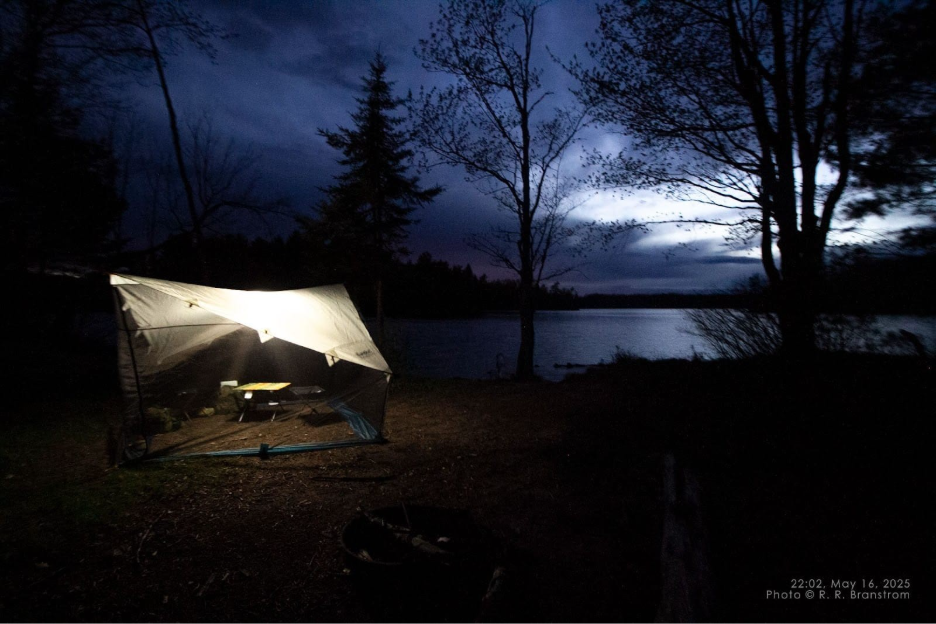
Canoe camping brings us even further afield, this time away from civilization altogether. At times, our campsite on a lake shore or riverbank is the most civilized place for miles in any direction! But we aren’t alarmed by how deep we get into the wilderness, because we equip ourselves to make a home out of any remote spot we find. Admittedly, we carry only few luxuries… and we forgo some basic comforts… but it’s all worth the trouble when we sit down around the campfire, listening to the loons chatter away while we look up and see every star in the Milky Way decorate the night sky.

As Benjamin Franklin said, “An ounce of prevention is worth a pound of cure.” Our tent is a manageable size, and it has a sort of garage on the side for keeping things out of the rain handy to us inside. We also bring a bug tent most times, with a little collapsible table and two backpacking stools. At the campsite, we pick a spot for the sleeping tent away from the water and in some cover. This way, we keep ourselves more comfortable, sheltered from winds blowing off the water, some of the rain that might come, and the dew that drops from above before dawn. With the sleeping quarter squared away, the bug tent goes up next! This still needs to be a safe distance from any campfire we build, however, and it needs to be hung between two trees or posts. So, the bug tent normally ends up at the edge of a clearing, close enough for comfort to both the sleeping tent and the campfire.
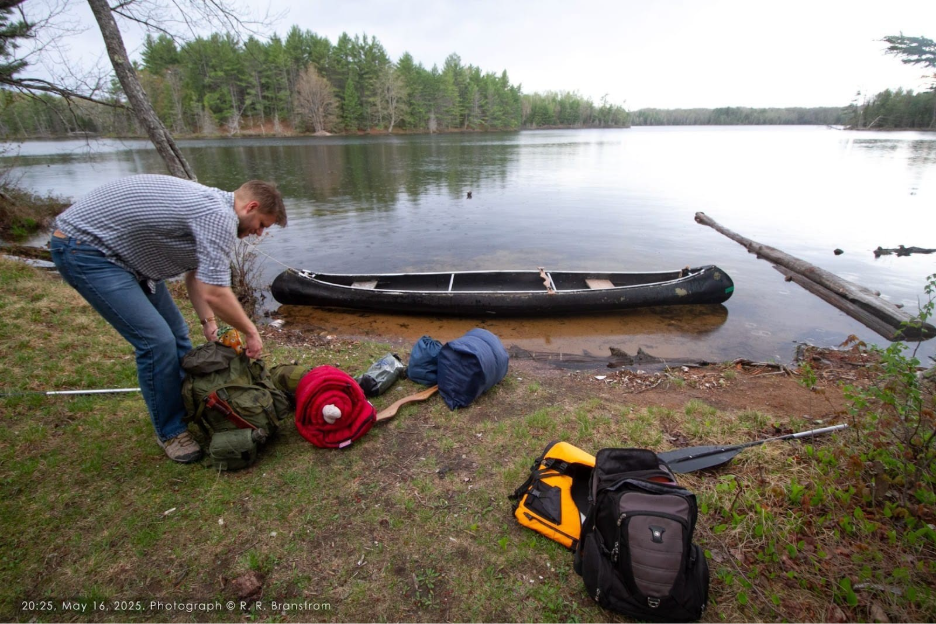
What space is left is always the best seat in the house. Waking up to a freshly brewed coffee, standing in a grassy glade on the shore of a crystal-clear lake, soaking in the softness of the thawing dawn: that’s one of the best feelings in the world. And the work we do to get out there, the logic we apply to our campsites, does the heavy lifting to make that magic happen. I think that logic is just as important to the homes I design as it is to thriving in the wilderness.
As people, we often look at design in terms of color, shape, and size. I agree that design must be viewed in those terms, but I think that process is just as important to what results from design. That process includes molding the design to fit constraints like time, budget, or size. It includes logically arranging it to meet the design’s intended functions. And it includes weaving some part of ourselves, too. Sailors need walls to hang pictures of boats to console themselves when they’re stuck on dry land. Backpackers need big windows to gaze out at the trees while they plan the next adventure… and they need even bigger closets to store all their gear! What is it about you, dear reader, that I can help weave into our design process?
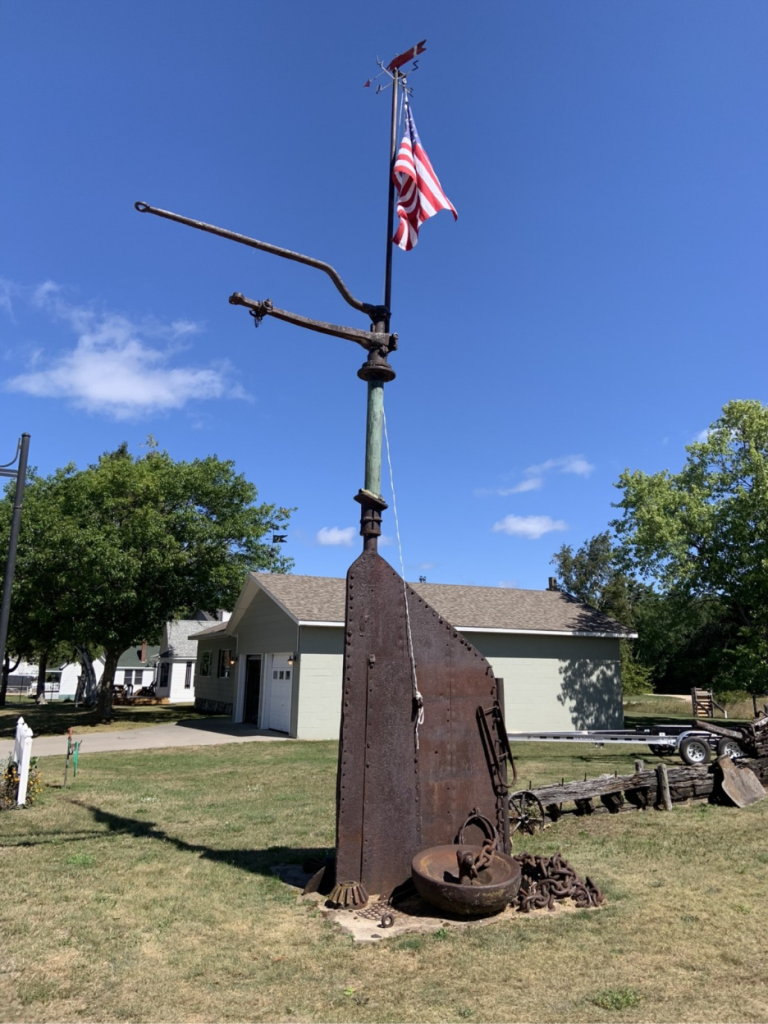
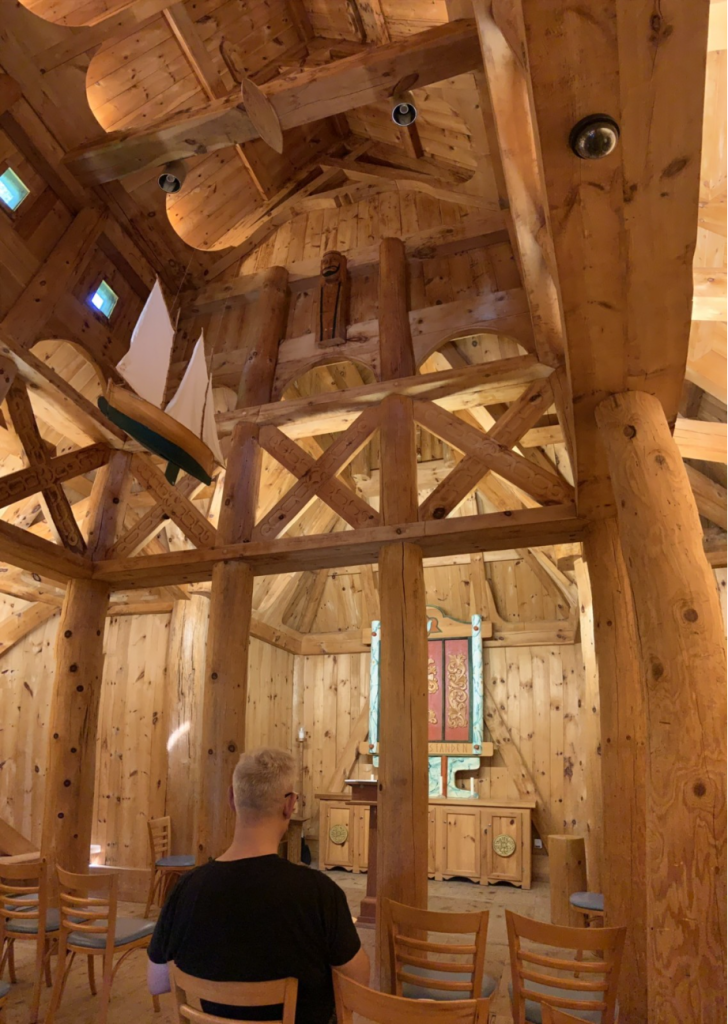
Good design is brought to life by the details, the inspiration, and the depth behind the design.
Whether that inspiration comes from time on the water, a quiet trail through the forest, or the way a space adapts to its surroundings, those experiences shape the way we approach every project.
At Carey Design Build, that perspective becomes part of the design process. It helps us create homes that feel intentional, personal, and connected to you – the people who live in them.
Written by Tyler Anthony & Mickayla Crandall | Published March 27, 2026