

You’ve made the decision. You’re going to remodel your house. Maybe you’ve even decided when you’d like the project to happen.
The only question now is: when should you actually start planning?
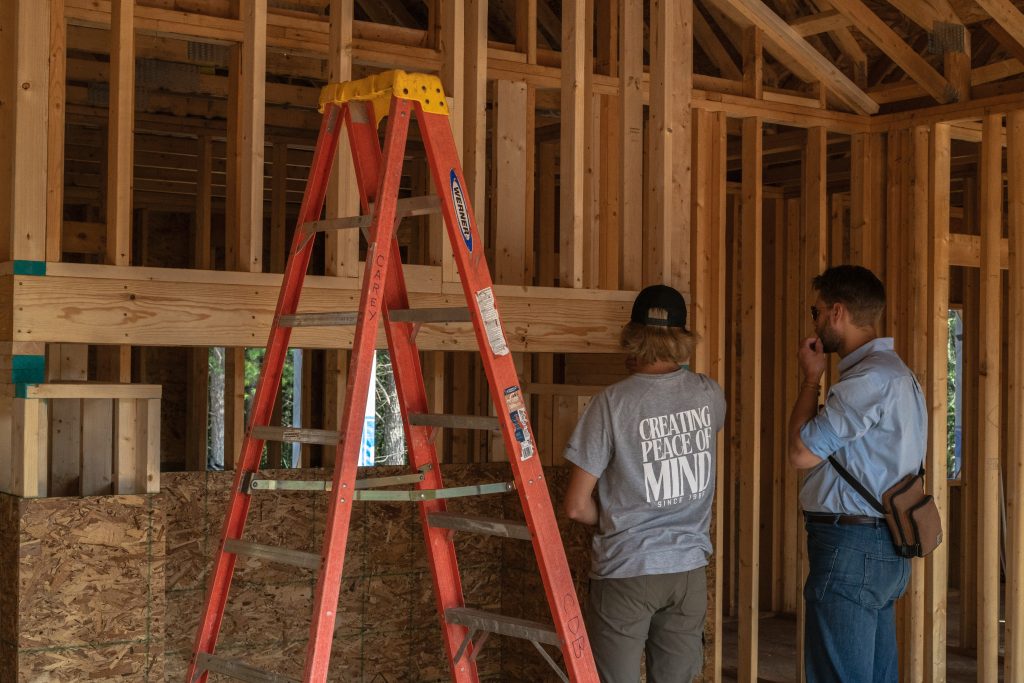
One of the biggest misconceptions about remodeling is that the project begins when construction begins. In reality, there’s a significant amount of work that happens before the first wall comes down (or goes up!). Your project timeline needs room for conversations, design, decisions, pricing, documentation, and preparation before any amount of construction can get underway.
That means the year you want to build and the year you should begin planning aren’t always the same.
Let’s Reverse Engineer the Timeline
Many times, when our clients think about their project timeline, they’re often thinking about the actual construction.
“We’d like to remodel the kitchen next spring.“
“We want the addition finished before the holidays.“
Those are helpful goals, but construction is only one part of the overall project timeline.
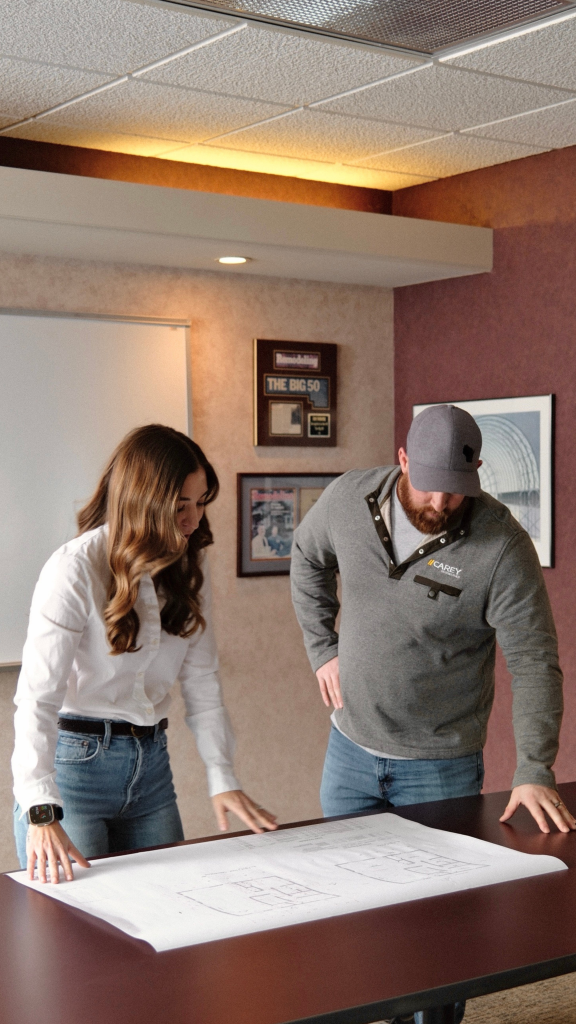
Before anyone picks up a hammer, your design-build team needs to understand your home and goals, explore design possibilities, refine the plans, make selections, establish the project scope and investment, prepare construction documents, and coordinate engineering or permitting when needed.
So, rather than only asking, “When do we want construction to start?” consider asking:
“When do we want to be enjoying our finished space?”
Then, work backward from there.
What Happens Before Construction Begins?
The amount of planning required depends on the size and complexity of your project, but most thoughtfully planned remodels move through several stages before construction. Here’s what that looks like when you work with Carey:
Initial Conversations
First, we learn about you, your home, and what you’re hoping to accomplish. We’ll talk about what’s working, what isn’t, your priorities, anticipated investment, and ideal timeline.
Design
Next, we explore how to solve the problems you’ve identified. That might mean evaluating different layouts, reconsidering how existing space is used, exploring an addition, or finding opportunities you hadn’t considered.
Ideas are developed and refined until there’s a clear direction for the project.
Selections and Details
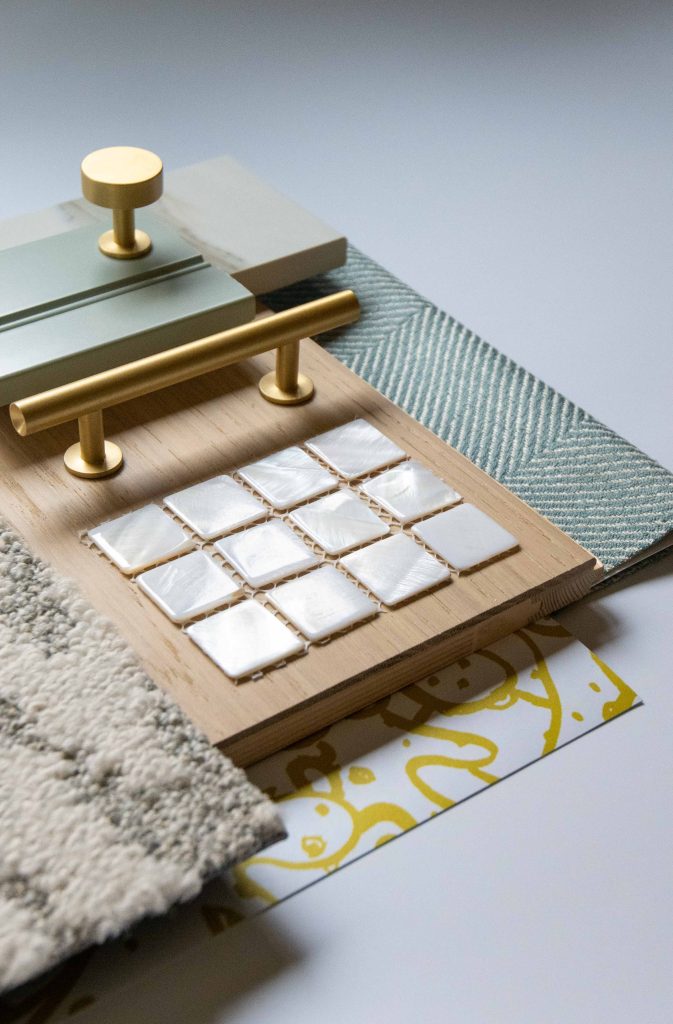
Once the larger design decisions are established, attention turns to the details that bring the space together. Cabinetry, fixtures, finishes, materials, and other selections are thoughtfully considered and coordinated.
Preparing to Build
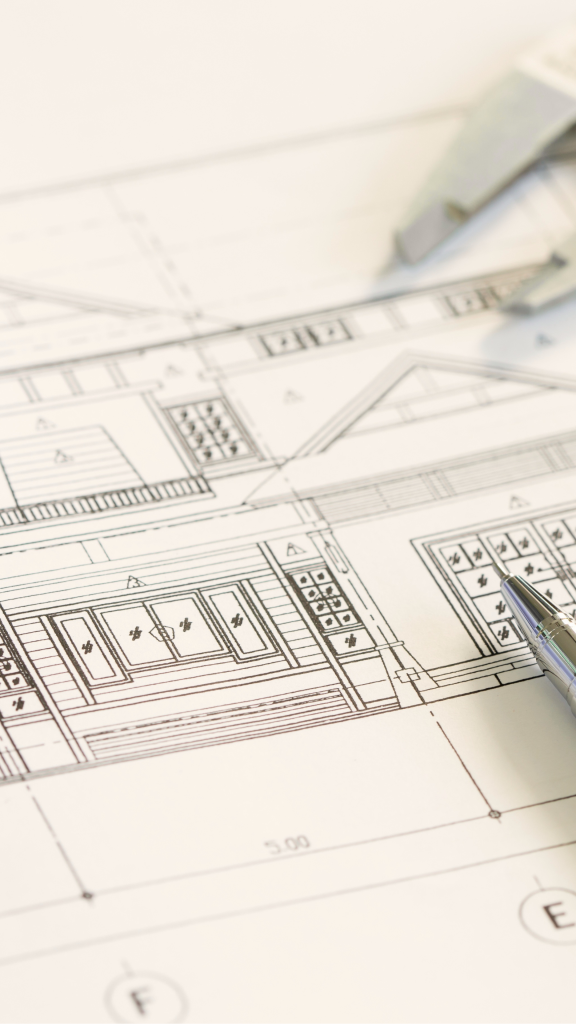
Before construction begins, drawings and documentation are completed, pricing and scope are refined, and engineering, permitting, ordering, and other pre-construction needs are addressed as applicable.
And THEN we can build!
How Far Ahead Should You Start Planning?
There’s no single answer that applies to every remodel.
A bathroom renovation and a whole-home remodel won’t require the same amount of preparation. An addition may involve engineering or permitting that a more straightforward interior renovation doesn’t. Material availability, project complexity, and decisions made during design can all affect the timeline.
In general, the larger or more complex the project, the more planning time you should expect.
That’s why we encourage our clients to reach out based on when they’d ideally like their project to happen, rather than waiting until they’re ready for construction. Starting the conversation early allows your design-build team to understand your goals and help establish a realistic path forward.

Starting Planning Early Doesn’t Mean Starting Construction Early
Talking to our design-build team about a project you’d like to complete next year doesn’t mean you’re agreeing to begin demolition next month.
Planning and building are two different things that happen at very different times.
Starting earlier simply gives you more room to explore your options, understand how decisions affect your investment, and make selections without every choice feeling urgent. It also gives your design and construction team time to coordinate the pieces happening behind the scenes.
The goal isn’t to make your project take longer. It’s to give the decisions that shape your home the time they deserve. The earlier you start planning, the less decisions you have to make each day. Early planning = lighter mental load and less decision fatigue!
What If I’m Still a Year Away?
This is exactly when a conversation with us can be helpful.
Maybe you’re planning financially, working around a life event, or simply aren’t sure what’s realistic yet.
An early conversation can help you understand what kind of project makes sense for your goals, what investment you should be planning for, what could affect your timeline, and when design and construction could realistically begin.
Having those answers doesn’t rush you into a project. It gives you better information to plan one.
Do I Need to Have Everything Figured Out First?
Nope! That’s one of the reasons our design process exists.
You don’t need a finished floor plan, a folder full of material selections, or a perfectly defined solution.
It’s helpful to have a general sense of what’s not working, what you’d like to accomplish, your priorities, ideal timing, and the investment you’re preparing to make.
You may know exactly what you want, or you may simply know that your home isn’t working the way you’d like it to anymore. Both are perfectly reasonable places to begin.
So, When Should You Start?
Earlier than you might think! Good remodeling takes thoughtful planning.
If you know a remodel or addition is something you’d like to pursue in the next year or two, starting the conversation with us now can help you understand what needs to happen between today’s ideas and your finished home.
So, if 2027 is the year you want your project to happen, 2026 is the year it begins.

Planning a Project of Your Own?
Wondering what kind of investment to expect? Our Project Investment Guide is a helpful place to start.
Already have a project in mind and ready to talk?
Written by Mickayla Crandall | Published August 28, 2026