

One of the questions we hear from clients all the time is, “How do we make sure our home timeless?”
The answer is a little more complicated than simply picking classic finishes or avoiding anything that feels trendy.
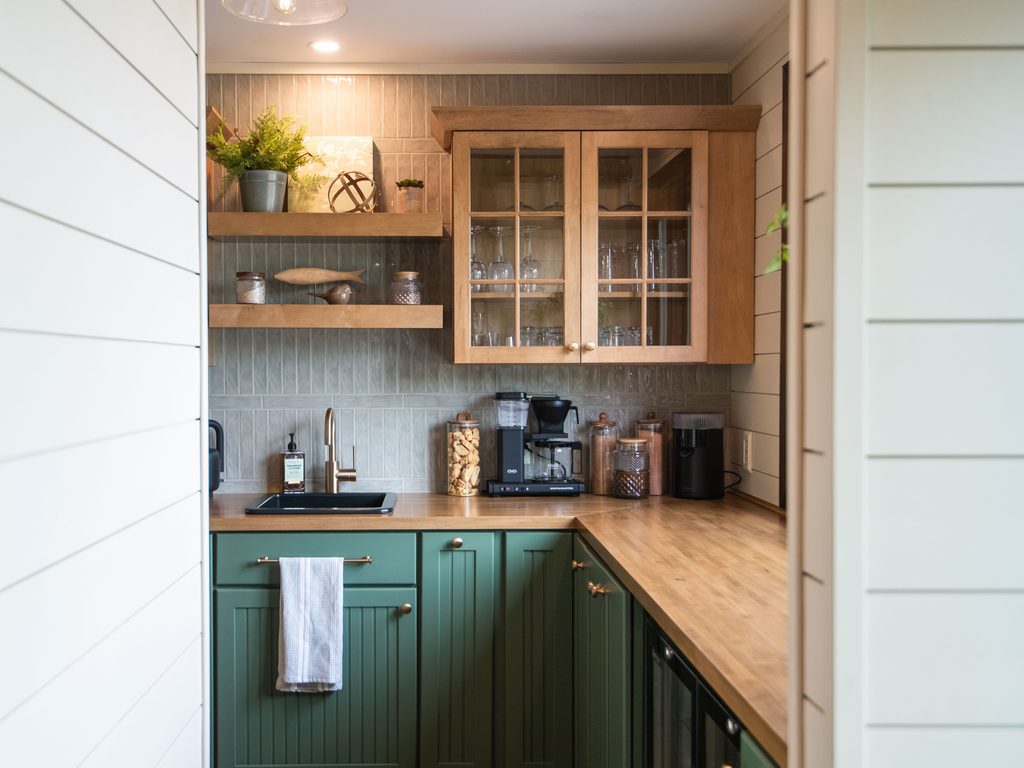
When we talk about designing a home that will age well, we think about the bigger picture. A well-designed home should continue to work for you years down the road, designed with materials that can stand up to everyday life as they age, have a layout that can adapt as your needs change, and have enough character that it doesn’t feel dated every time trends shift.
Some of that comes down to how the home is built. Some comes down to material and finish selections. Some comes down to accepting that a home doesn’t have to look exactly the same twenty years from now as it did the day it was finished.
Our goal is not to freeze your house in time, but rather to create a home that grows, changes, and wears naturally without losing what made it special in the first place.
Spend on What Can’t Be Changed Easily
When budgets are involved, it is important to understand which decisions are easy to change later and which ones are not. Walls can be repainted, a light fixture can be replaced, but moving a load-bearing wall is an entirely different story. We encourage homeowners to prioritize the things that protect the home and establish its long-term foundation.
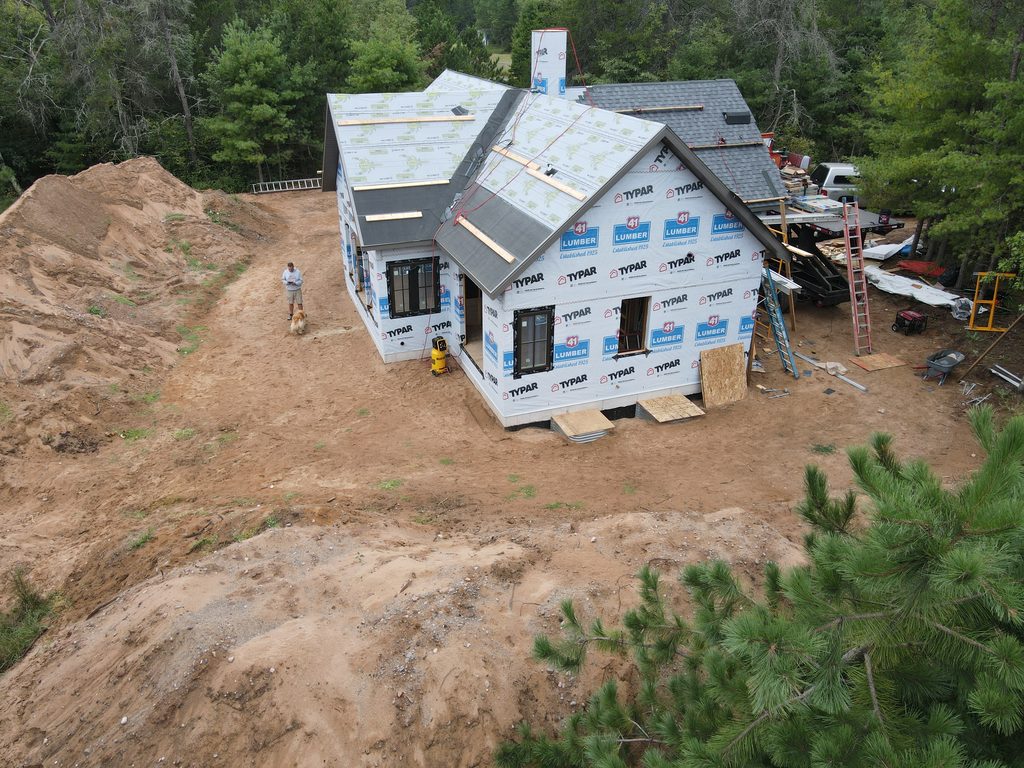
Sitework
Good design starts before you walk through the front door. Proper grading, drainage, excavation, site planning, and water management can have an enormous impact on the lifespan of a home. Keeping water away from the foundation and properly directing it around the site protects everything built above it.
Doors and Windows
Quality doors and windows affect comfort, maintenance, and the overall character of a home. These are not elements we recommend choosing solely because they are fashionable at the time of your design. Their proportions, placement, quality, and performance should work for the house for decades.
Insulation
Insulation is another place where investing in something “invisible” pays off. Proper insulation and air sealing improve comfort and the performance of the entire home.
Durable Exterior Finishes
The building envelope is your home’s first line of defense. Durable siding, roofing, flashing, trim, and masonry help protect everything inside the home from temperature changes, humidity, precipitation, and the general wear and tear brought on by Mother Nature.
Thoughtful Structural Planning
A good floor plan should work for your family today without making future changes unnecessarily difficult. Could a larger bedroom eventually be divided into two as a family grows? Are structural columns positioned where they will not interfere with future furniture layouts or remodeling? Can spaces serve more than one purpose?
Quality Infrastructure
Plumbing, electrical, and mechanical systems are easy to overlook because they are not usually the most exciting parts of a design presentation. They are, however, some of the most important components of a long-lasting home. Quality infrastructure and mechanical systems that can be properly serviced and maintained make future repairs significantly easier.
Embrace Patina
We love materials that do not need to remain perfect to look good. As we discussed in our July Instagram post, “High Quality, Low-Maintenance,” choosing quality materials does not always mean constant upkeep. In many cases, the best materials are those that develop character through normal use.
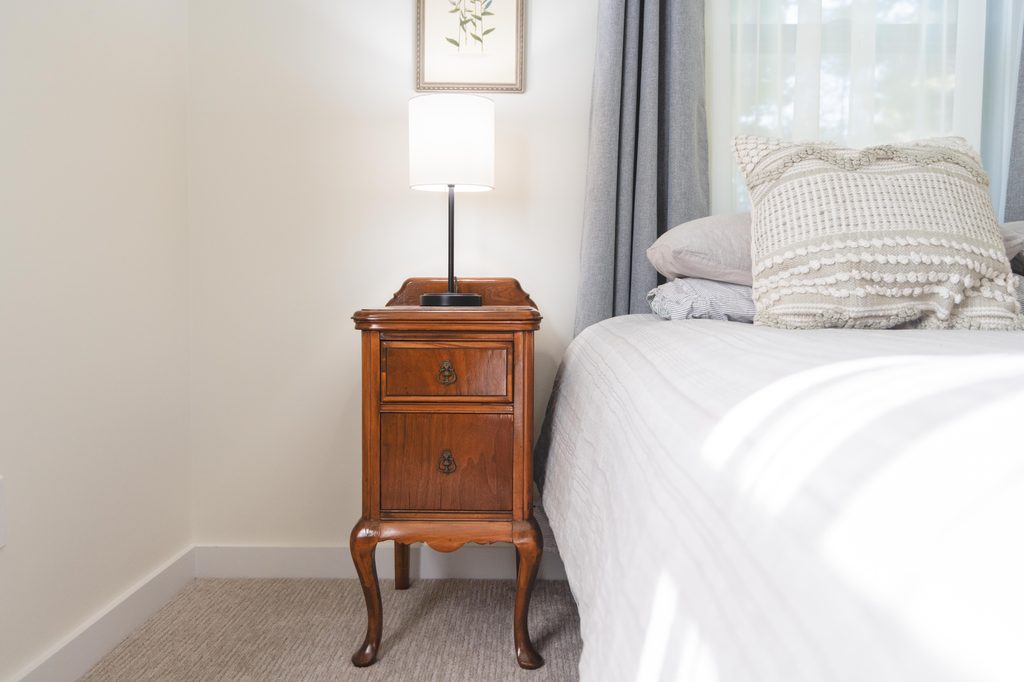
Solid brass hardware is a great example. A piece of brass that is touched thousands of times will naturally change over time. Live finish plumbing fixtures can develop variation and patina rather than maintaining a perfectly uniform appearance. Solid wood interior doors become more beautiful with age as they develop subtle changes from sunlight, touch, and everyday use.
The same principle applies to natural fiber textiles such as wool, jute, and linen. These materials bring texture and variation into a home, and their natural irregularities can make them feel more collected and established over time.
We do not want every material in a home to look aged immediately. Instead, we want to thoughtfully incorporate materials that have somewhere to go as they get older.
Plan for Beatings
Some areas of a house simply take more abuse than others. The foyer will see more dirt and moisture than the living room. The kitchen countertop will be touched more than a countertop in a guest bathroom. Exterior materials must stand up to temperature swings, humidity, precipitation, wind, snow, and sunlight. When materials are exposed to that much wear, spending a little more upfront can often extend their lifespan and reduce maintenance over time.
Outside, real brick and stone masonry are great examples. They hold up to the elements while developing even more character as they age. Cedar can weather beautifully when it’s properly detailed and maintained. Metal and slate roofing can also provide exceptional longevity compared with many lower-cost alternatives. Even small architectural details matter! Exterior trims should be designed so it’s easy to clean and doesn’t create unnecessary ledges or complicated areas where dirt and water can collect.
The same thinking applies inside the house. Choosing the right finish for each space can make a big difference in how well it holds up. In areas where dirty hands are likely to land on the walls, a more washable paint sheen can make cleaning much easier. Tile floors benefit from the same kind of planning. Using a pre-sealed grout, especially in entryways, mudrooms, and other high-traffic areas, can help keep dirt and grime from becoming a permanent part of the floor.
Durability is more than the physical strength of a material – it also includes how well it responds to the environment where it’s being used and how it holds up when maintenance is eventually needed.
Plan for Repairs and Updates
A home that ages gracefully is not a home that never needs repairs. It is a home that makes those repairs possible.
Plumbing shutoffs should be accessible. Mechanical systems should be serviceable. Electrical boxes should be installed with future use in mind.
This becomes especially important when a room may change functions over time. For example, if a semi-flush ceiling light is replaced with a ceiling fan, the electrical box needs to be appropriate for the additional weight and movement of a fan. Planning for that possibility during construction is much easier than correcting it later.
Documentation is another simple but valuable tool. Keep track of paint colors, flooring, tile, grout, plumbing fixtures, appliances, lighting, and other finishes. This could mean writing a paint color on the back of a light switch plate or keeping an organized spreadsheet of the components used in each room. Future you (or the next homeowner) will be glad you did.
Ignore Trends (Somewhat)
We are not against trends. Design should evolve, and homes should reflect the people who live in them. The key is knowing where to use them.
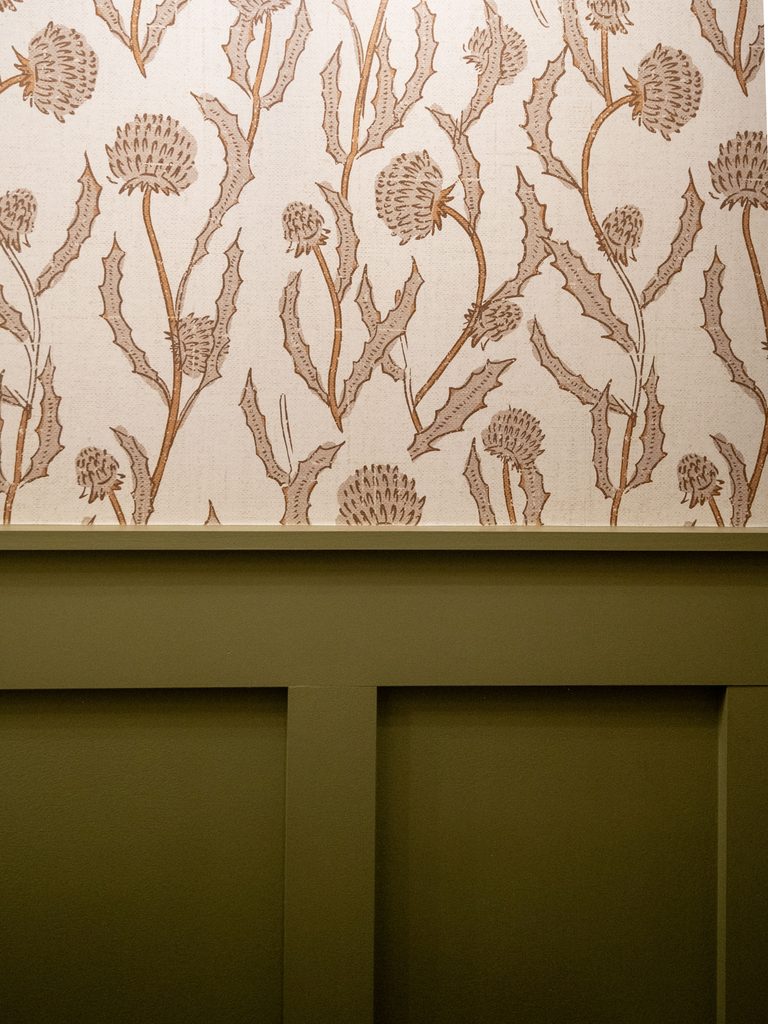
We generally recommend avoiding highly polarizing trends on the architectural elements that are difficult or expensive to change. Rooflines, architectural profiles, windows and doors, millwork, cabinetry proportions, flooring, and exterior materials establish the fundamental character of a home. These are the elements where proportion and quality matter more than whatever happens to be popular this year.
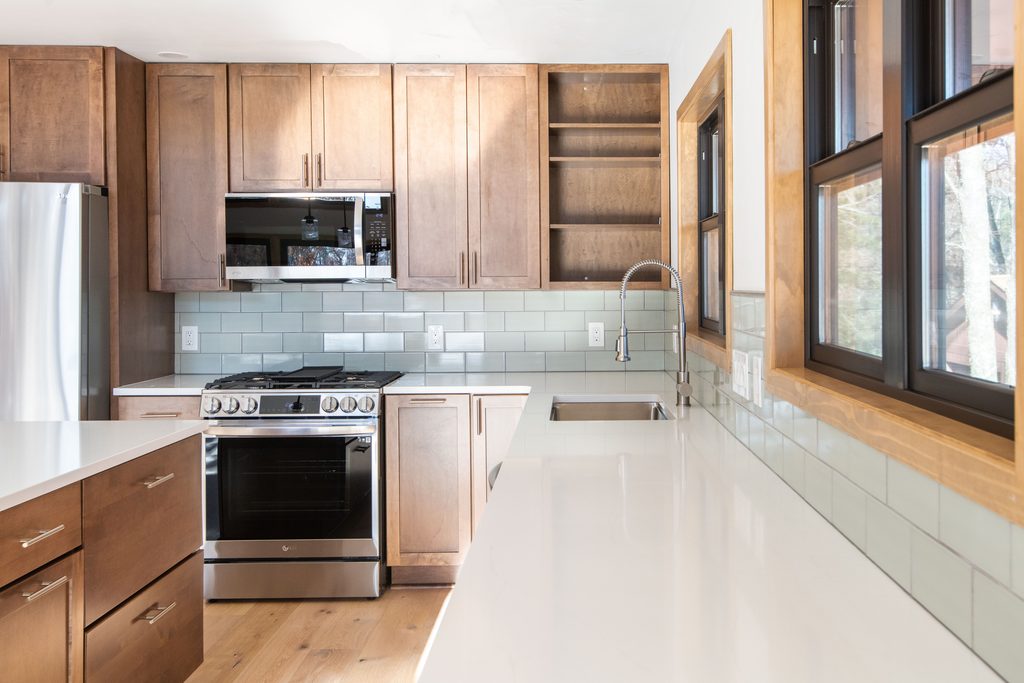
Cabinetry is particularly important because its proportions, including cabinet height, have a significant impact on the architecture of a room. A trendy cabinet treatment, such as open shelving replacing all upper cabinetry, may be much harder to overlook when replacing it requires an entire kitchen renovation.
This doesn’t mean your home has to be boring! “Flexible” finishes are where we like to have more fun. Paint, wallpaper, lighting fixtures, carpets and rugs, furniture, and accessories can all bring personality into a home without permanently tying it to one era. The key to success is layering these elements together. One trendy feature placed by itself can look disconnected, but a collection of flexible finishes that work together creates a cohesive room that can also evolve over time.
Be Realistic
The best home isn’t necessarily the one that looks the best in a photograph. It’s the one that works well for the people who actually live there.
In our July blog, “Making Your Home Work for You: A Designer’s Guide to Smarter Living,” we talked about the importance of designing around your real habits instead of how you think you’re supposed to use your home. That same idea is a big part of designing a home that will age well.
Think about the little things you do every day. Where do you drop your keys when you walk through the door? Where do the shoes and bags pile up? Which kitchen countertop always seems to collect everything? Where do people tend to lean against the walls? Where does the afternoon sun hit the floor?
These might seem like small details, but they can tell us a lot about how a home should be designed and what materials will hold up best.
Good design isn’t about creating a picture-perfect house. It’s about creating a home that makes sense for your everyday life, both now and as it changes.
Let Your Home Tell Its Own Story
Perhaps the biggest part of designing a home that ages well is simply accepting that it’s going to change.
A house will not and should not look exactly the same the day you move in as it does twenty years later. Life happens. There are family photos on the walls, furniture that gets repaired instead of replaced, floors that show a bit of wear, paint colors that change, collections that grow, and landscaping that slowly fills in around the house.
Those things aren’t signs that a home has been poorly designed. They’re signs that the house is filled with life.
The goal isn’t to keep everything looking brand new forever. It’s to create a home with enough character and flexibility that it can handle all those changes. The architecture gives you the foundation, but the people who live there are what make it feel like home.
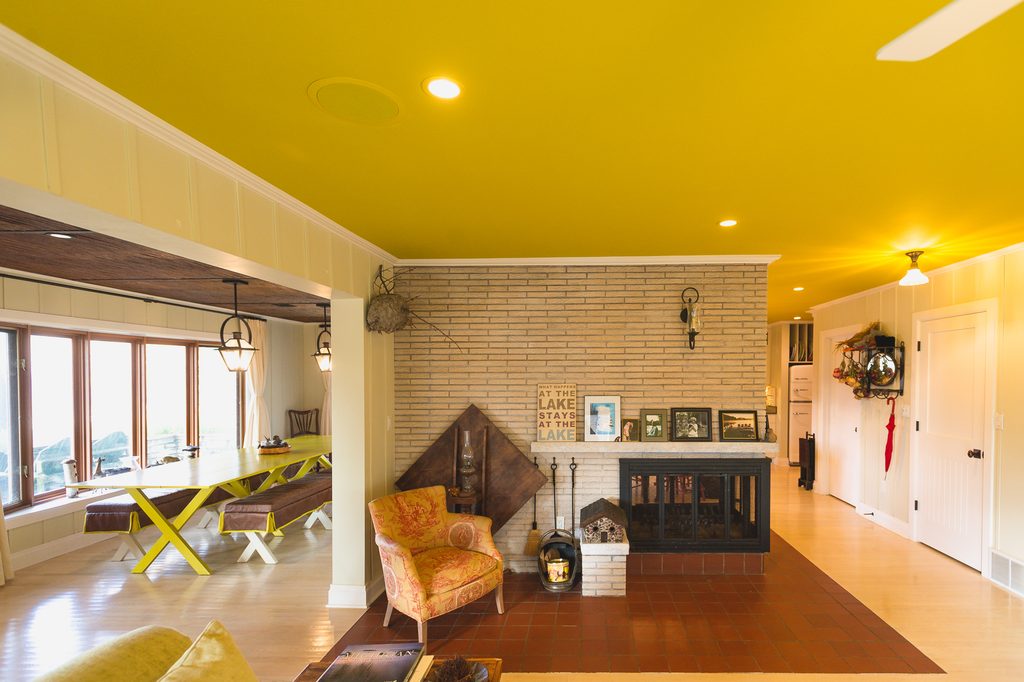
So instead of asking, “How do we keep this house looking new?”
A better question might be:
“How do we make this house worth keeping?”
That question can change the way we approach almost every design decision. It means investing in the things that will protect the home, choosing materials that can get better with age, planning for maintenance and future changes, and leaving a little room for life to happen.
A successful home isn’t one that looks untouched twenty years later. It’s one that has a little history, a little wear, and still feels like yours.
Written by Elaine Nienhouse | Published September 25, 2026